Superior SIDING
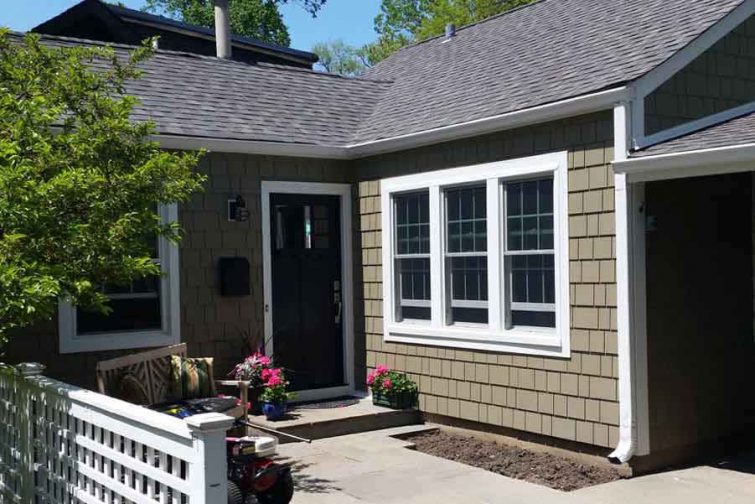
Exceptional Windows
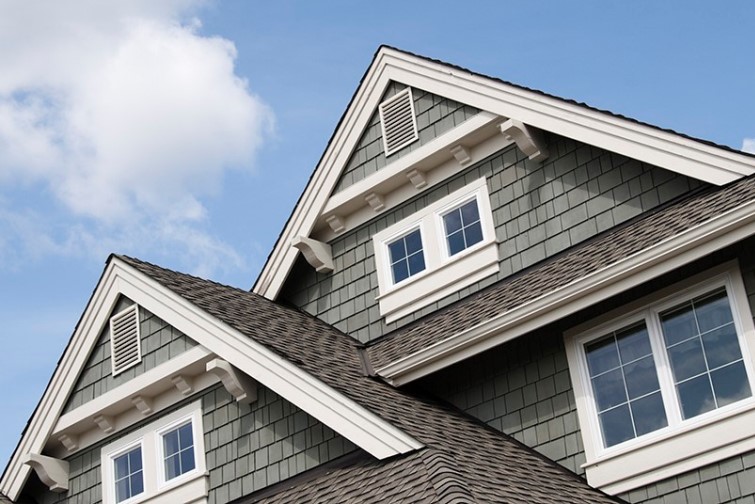
Quality ROOFING
Send Us a Message!
Thank you for contacting us!
We will get in touch with you shortly.

Get a Free Quote
Thank you for contacting us!
We will get in touch with you shortly.







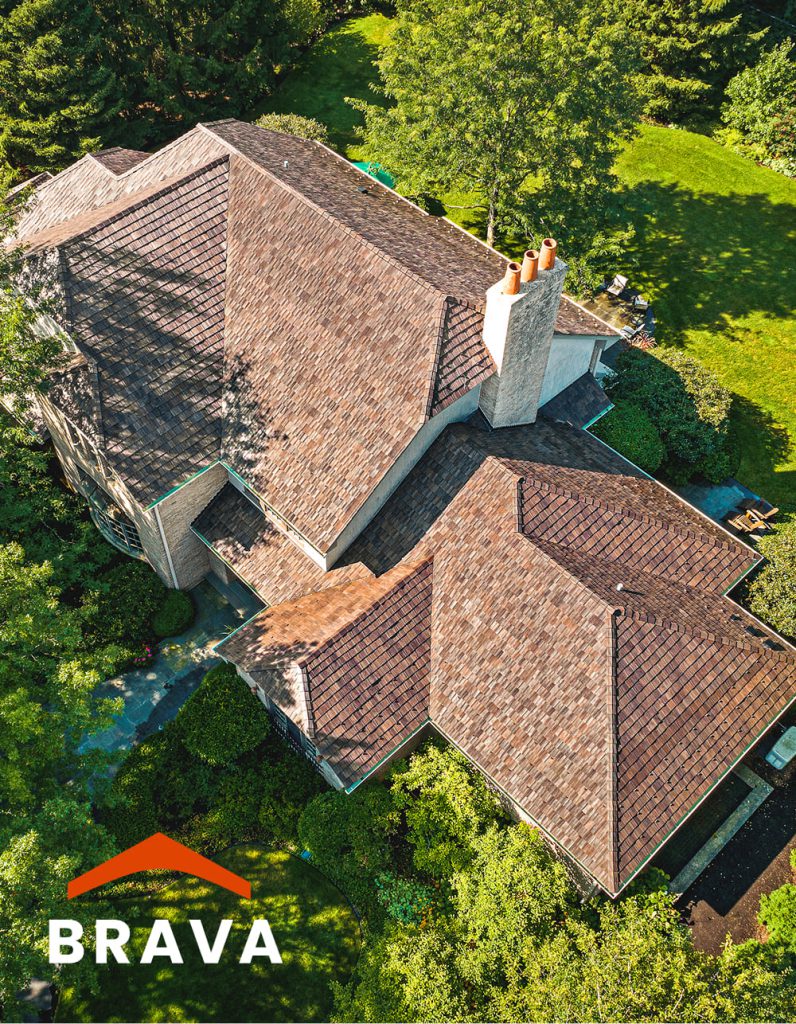
Winnetka is regularly cited as one of the wealthiest communities in the United States, with a median household income exceeding $250,000 and home values that routinely reach into the millions along the Sheridan Road corridor and throughout the Hubbard Woods and Indian Hill neighborhoods. The village’s housing stock reflects that standing. More than half of Winnetka’s homes were built before 1940, the highest concentration of prewar architecture of any North Shore suburb, producing a streetscape of English Tudors, Colonial Revivals, Georgians, Dutch Colonials, and Prairie-influenced designs by architects including George Washington Maher, Howard Van Doren Shaw, David Adler, and Walter Burley Griffin. Many of these homes carry natural slate or cedar shake rooflines that are now at end-of-life or approaching it.
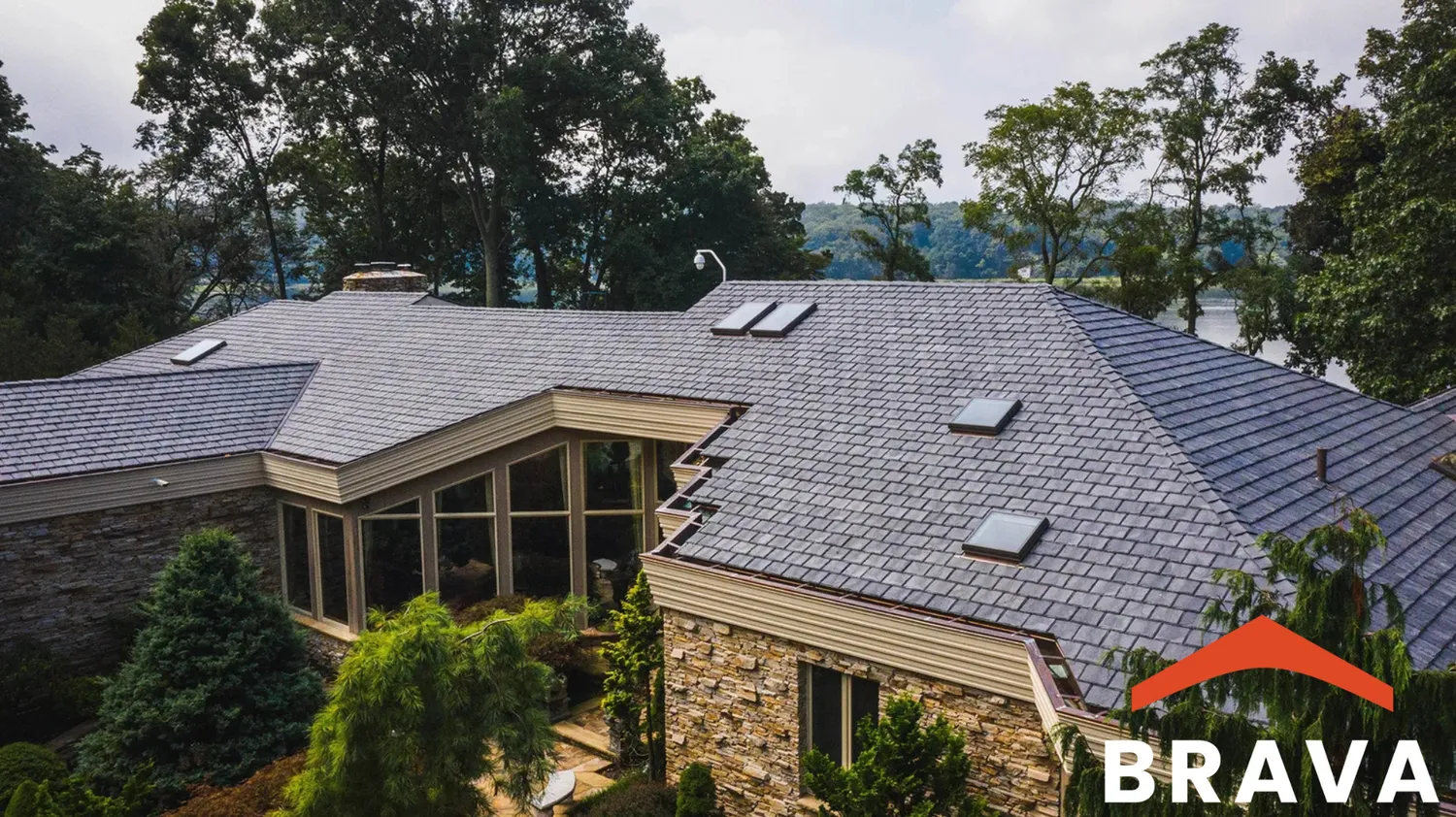
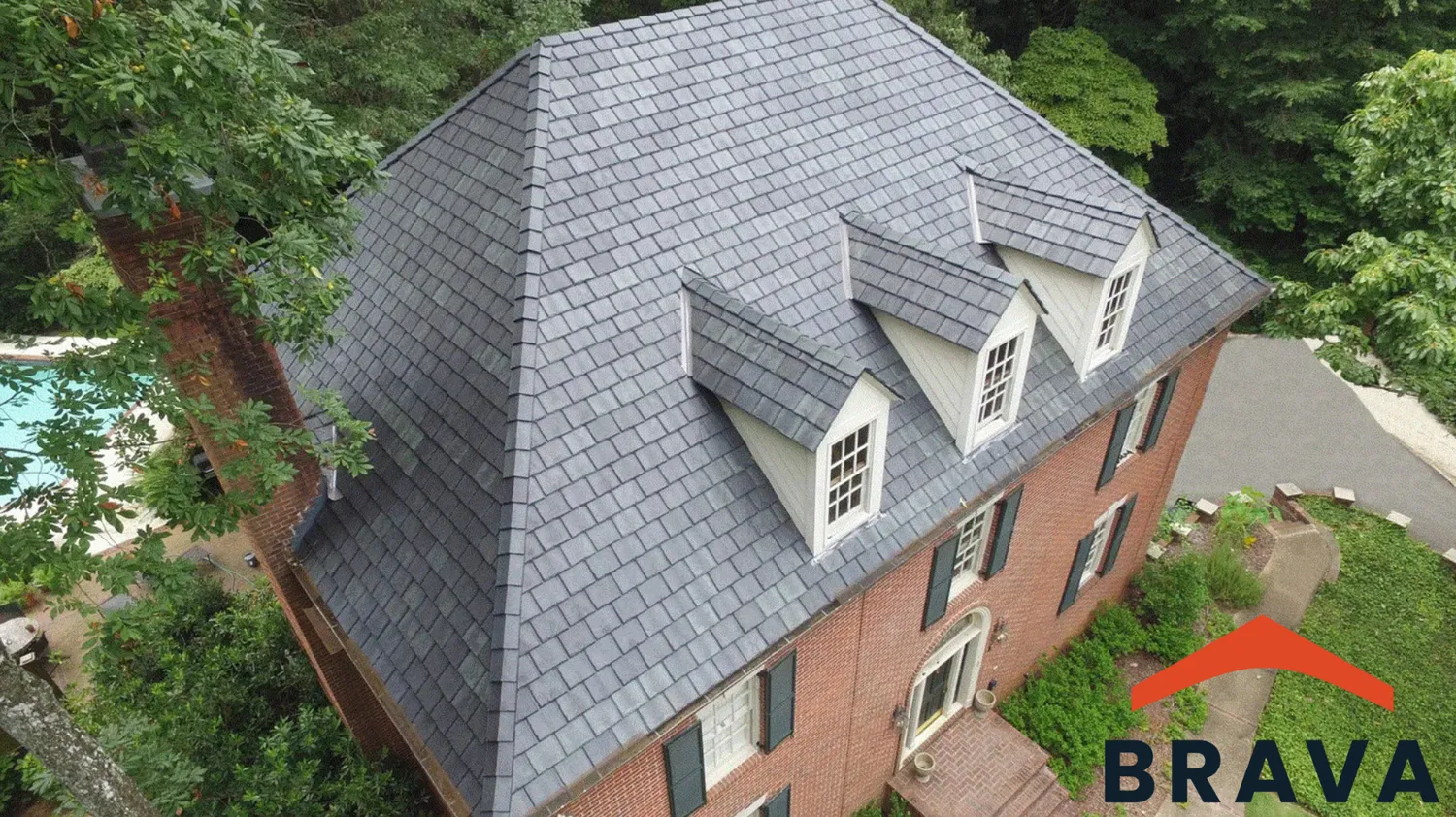
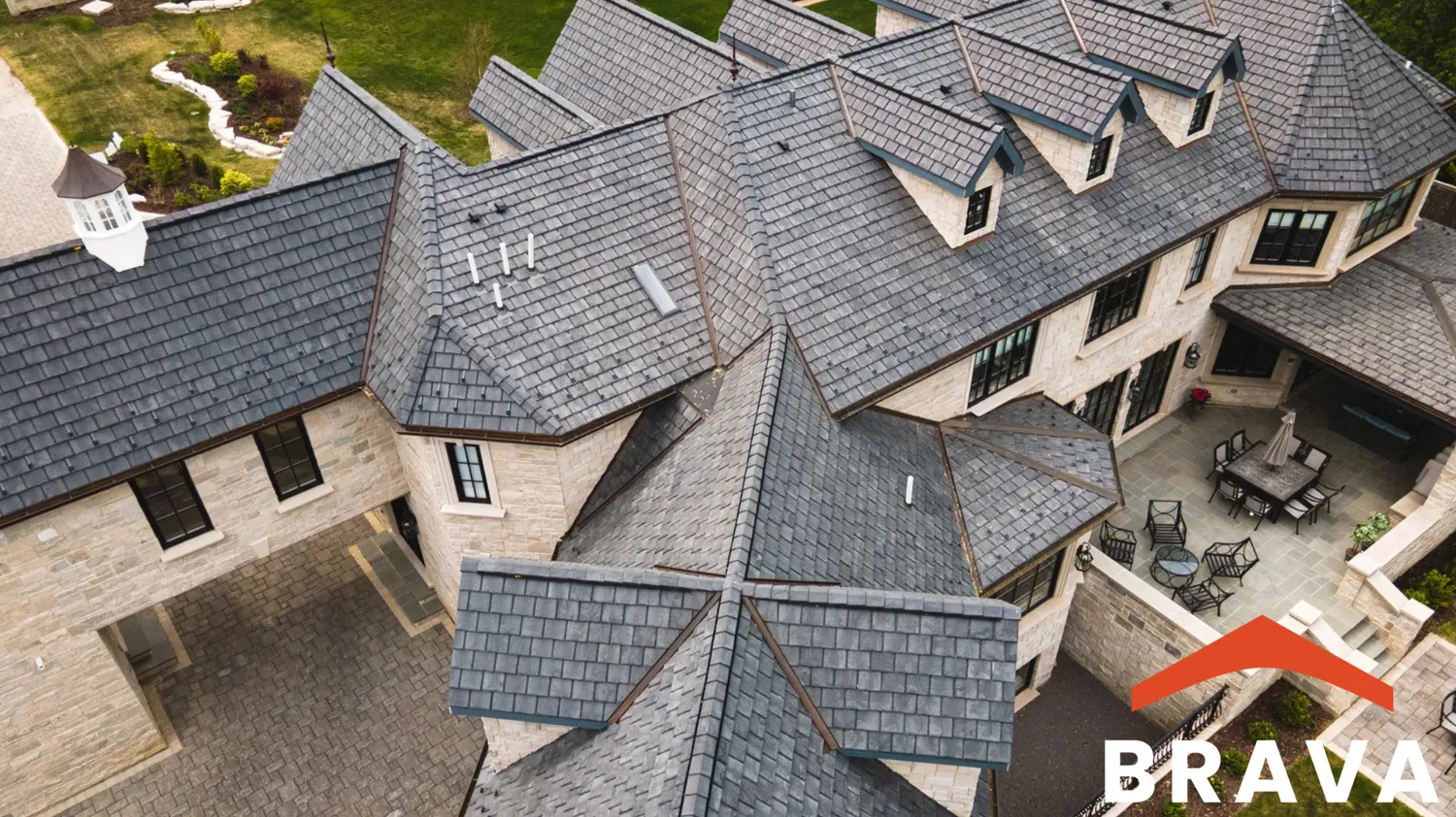
Replacing that roofing is not simply a maintenance decision. At these property values and with this architectural pedigree, the material choice affects how the home reads from the street — and how it holds up through the next several decades of North Shore weather. Brava synthetic roofing offers a 50-year, Class 4-rated product engineered to replicate the profile and visual weight of natural slate and cedar shake without the structural demands or maintenance burden of the real materials. Buzz Home Pros installs Brava products throughout Winnetka and the broader North Shore. Call 847-796-8724 or request a free consultation online.
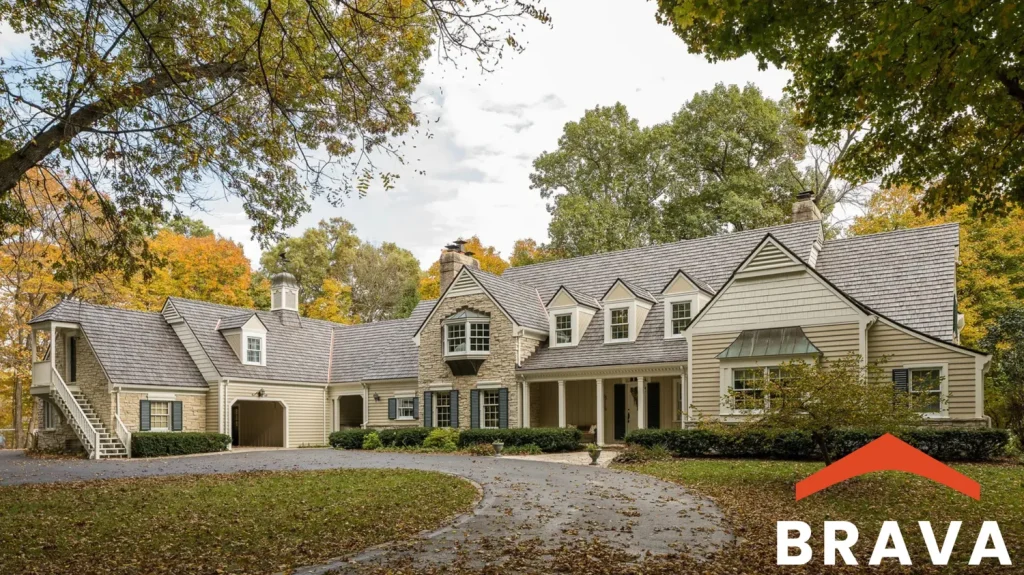
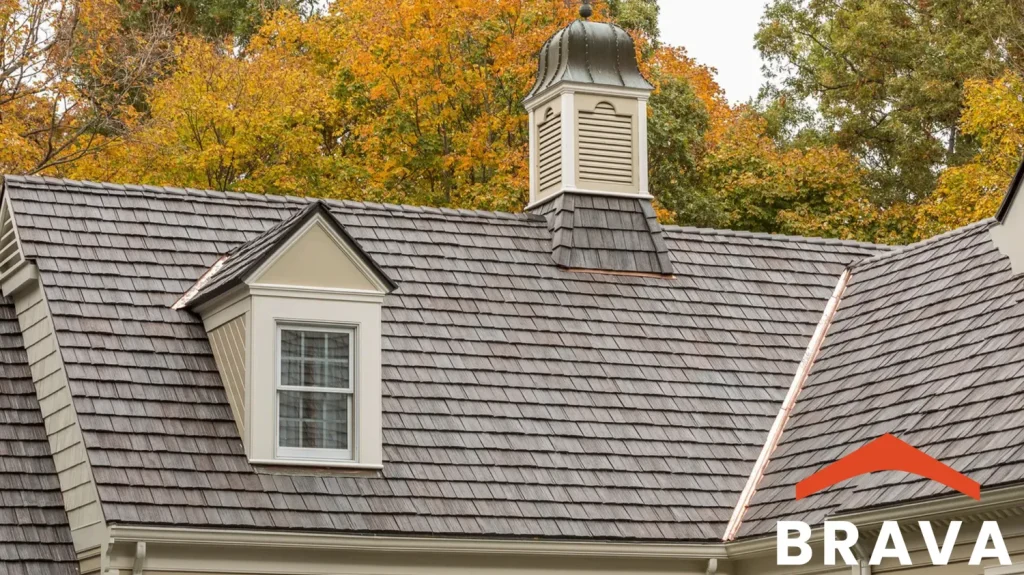
Synthetic cedar shake roofing is a natural fit for Winnetka’s Arts and Crafts, Prairie-influenced, and Craftsman-style homes, where an organic, textured roofline suits the architecture’s horizontal character. Available in colors including Aspen, Sierra, Lake Forest, Aged, Weathered, Arendale, and Natural, it delivers the warm grain tones of real cedar without the splitting, moisture absorption, and periodic treatment that natural cedar requires to hold up through Illinois winters. For homes adjacent to the ravine areas and wooded lots throughout the village, the Class A fire rating available in the appropriate assembly is also worth noting.

Brava Old World Slate replicates the layered depth, textured face, and shadow lines of natural slate in a polymer composite tile that weighs roughly one-quarter as much as stone. For the Tudor Revivals, Georgian Colonials, and Colonial Revival homes that define Winnetka’s prewar neighborhoods, and for any property where natural slate was the original roofing material, this is the product that most closely matches what it replaces. The Felix Lowy House on Sheridan Road, an example of Winnetka’s Tudor Revival stock designed by Mayo and Mayo in 1925, illustrates the steeply pitched roofline profile that Old World Slate is engineered to serve.

Brava’s composite Spanish tile roofing suits Winnetka’s Mediterranean and French-influenced estate homes, styles with steeply hipped roofs where a rounded or mission tile profile is architecturally appropriate. Several lakefront properties along the Sheridan Road corridor include Spanish and Mediterranean-influenced designs where this product is the most direct architectural match. Far lighter than traditional clay tile, it is compatible with most residential structures without engineering modifications, subject to inspection.
Tested against 2-inch simulated hailstones, the highest impact-resistance classification in residential roofing. On a Hubbard Woods Tudor where a hail event on an unprotected roof means damage to historically significant materials, this rating is directly relevant. Several insurance carriers offer premium discounts for Class 4-rated installations.
Winnetka's shoreline position means nor'east lake winds accompany late-season North Shore storm systems in ways that add loading above what inland suburbs face. This rating provides margin above those conditions, not just the standard inland severe-weather profile.
Relevant for properties on wooded lots and those adjacent to the ravine areas throughout the village, where canopy cover increases exposure. Your Buzz Home Pros consultant confirms which assembly applies to your home.
Fifteen years non-prorated, with 5-year hail coverage. For a home in Hubbard Woods where the framing has already carried two or three roofing cycles, this warranty means the current owner does not put that structure through another one.
Non-absorbent construction stops moisture infiltration at the roofing layer. For a Winnetka prewar home where the substrate has absorbed decades of Illinois winter moisture through successive asphalt products, this is not a minor feature, it is the point at which the damage cycle stops.
Approximately 312 lbs per square for cedar shake, versus 700 to 1,000-plus lbs for natural slate. On century-old framing in Hubbard Woods or Indian Hill, this weight difference determines whether a premium roofline material is structurally viable at all.
We inspect the existing roof and the framing condition underneath it, not just the surface. Which Brava product is right for your home depends on what the structure can carry, not just what looks correct for the architectural style.
We bring physical Brava samples so you can evaluate profile, texture, and color against your home's exterior in the actual light conditions of your property. For a prewar Tudor or Georgian where the roofline is a primary visual element, this step matters more than on a standard suburban replacement.
Scope of work, product specifications, timeline, and total cost in one clear document before anything moves forward.
Tear-off, substrate preparation, and finished Brava system installed to manufacturer requirements. For older Winnetka homes, substrate condition often determines the full scope, we do not know what we are working with until the existing material comes off.
We review the finished roof with you and register your 50-year Brava limited warranty before we leave. Most Winnetka projects complete in 5 to 10 working days depending on scope and weather.
The honest answer is that it depends on your roof’s footprint, pitch complexity, and what the substrate reveals when the existing material comes off. Winnetka’s prewar homes frequently have complex rooflines — multiple gables, dormers, hip-and-valley configurations — that add labor time relative to a simple rectangular footprint. Brava synthetic roofing falls between high-end dimensional asphalt and natural slate in material cost. On a Hubbard Woods Tudor or a Sheridan Road Georgian, the combination of footprint complexity and premium material puts the total investment in a different range than a standard suburban replacement, and the 50-year warranty timeline justifies that difference in a way it does not on a simpler property. Buzz Home Pros provides written proposals at no charge so you have a specific number before committing.
Natural slate is the original material on a significant number of Winnetka’s prewar homes, and on a structurally sound property with the budget and timeline to support it, replacement in kind remains a valid path. The differences are practical: natural slate weighs three to four times as much as Brava Old World Slate per square, requires a structural assessment before installation, and demands specialist tradespeople whose availability has narrowed considerably. Brava replicates the shadow lines and dimensional profile of natural slate in a product that is compatible with most prewar framing without engineering modifications, carries a 50-year warranty, and is rated Class 4 for hail impact. It is not the same material — but for most Winnetka homeowners managing a century-old structure, it is the more practical one.
Winnetka’s combination of lake-effect moisture, nor’east shoreline winds, and the standard Cook County hail exposure creates a layered weather demand that is worth understanding before choosing a roofing material. Lake-effect systems in late autumn increase wind and moisture loading in ways that purely inland storm events do not. The spring and summer hail seasons add impact exposure on top of that. And Illinois freeze-thaw cycling through winter works on any material that absorbs moisture — which asphalt does throughout its life. Brava’s Class 4 impact rating, 110-plus mph wind resistance, and non-absorbent construction address all three of those conditions specifically, not just the one that shows up on marketing materials.
Brava products carry a 50-year limited manufacturer warranty, 15 years non-prorated with 5-year hail coverage. For context: a Hubbard Woods home built in 1924 that re-roofs today under this warranty is covered until 2075. Most current owners will not be managing a third replacement cycle on that property.
In most cases, yes. At approximately 312 lbs per square for cedar shake, Brava is far below the weight of natural slate and within range for most prewar residential framing. The variable is condition, not age. A well-maintained 1920s Tudor may carry the load without issue; a home where previous owners added heavier materials without structural review may present more complexity. Buzz Home Pros inspects the framing condition before any project on an older Winnetka home and does not proceed without a clear picture of what the structure can carry.
Yes. The Village of Winnetka requires a permit for roof replacement work, submitted to the Department of Community Development. For properties designated as individual landmarks, the Historic Preservation Commission may be involved depending on the scope and materials proposed. Most standard roof replacements on non-landmark properties clear the permit process without HPC involvement. Buzz Home Pros handles permit compliance and can prepare documentation for any HPC process that applies to your property.
Winnetka’s prewar homes are not standard roofing projects. The framing is older, the architectural stakes are higher, and the material decision has to account for structural realities that do not come up on newer construction.
Buzz Home Pros brings physical Brava samples to your home, inspects what you are actually working with structurally, and provides a written proposal that covers everything before you commit to anything. Call us at 847-796-8724 or request a quote online.